
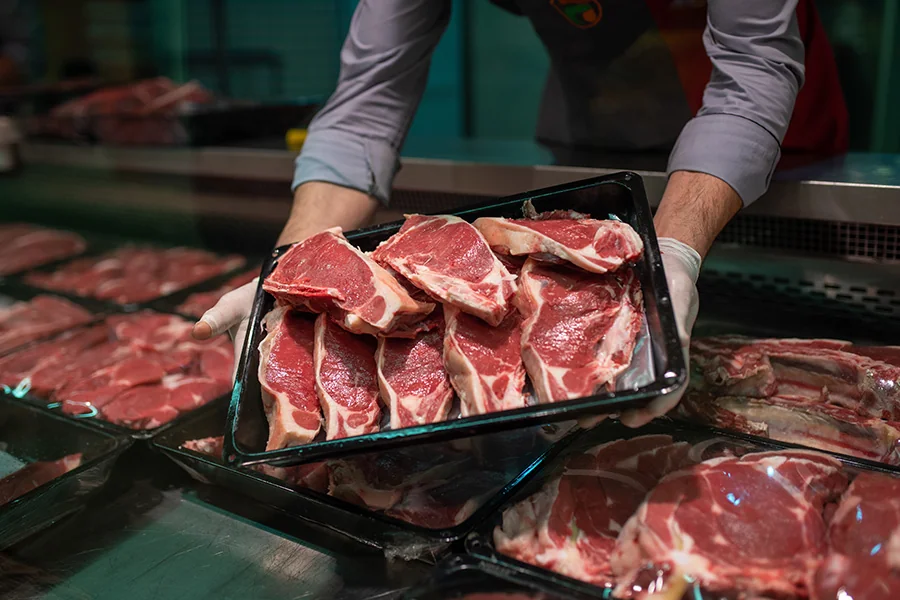
Elk meat is rapidly turning into one of the most interesting types of food in the food industry. It is tasty and naturally raised. You can buy wholesale elk meat and sell it to customers in a restaurant, a butcher shop, or a grocery store.
However, in order to get the best out of it, you must know the basics:
- What cuts to purchase
- How to manage the packaging
- How to store it.
Let’s break it down.
Contents
Understanding Elk meat cuts
When you purchase elk meat in bulk, the selection of the cuts may not appear exactly the way you are used to when it comes to beef. Elk is lean. Therefore, every single part has an application in the kitchen.
Tenderloin and striploin
These are your fine cuts. They are juicy, fat, and gratable or searable. Consider them for high-end steak food or fine-dining menus.
Sirloin and round cuts
These are very versatile. They are both tasty and a little bit firmer. They can be used as roasts, stir-fries, or steak sandwiches.
Shoulder and shank
These are harder cuts and cannot be cooked within a short time. Slow-cooked, they get tender and gain rich, hearty flavours.
Ground Elk
A popular choice in burgers, meatballs, and chili. It is skinny but juicy. This is a simple way of introducing elk to new clients.
When buying, consider your audience. Who are you catering to: gourmet diners, home cookers, bulk retail customers? That will assist you in deciding what cuts are the most sensible for your menu or meat case.
Packaging that guarantees quality
Sellers normally vacuum-pack and flash-freeze elk meat. This is important to retain freshness and prevent freezer burn. When buying, check for:
- Labels with cut names, weights, and processing dates
- Even seal with no air pockets or frost
- Temperature regulation during delivery. Elk must remain frozen until it arrives at your facility.
When you intend to sell elk retail, find an elk meat wholesaler who can package their elk in retail-ready packaging. That is, branded labels or portioned vacuum packages that can be placed directly into your display refrigeration.
Smart storage and handling
Elk is less fatty than beef. So, you can store it to maintain moisture and texture. Freeze your elk meat at -18C or colder. When thawed, use it within 3 to 5 days.
Never thaw elk at room temperature. The fast thawing will cause loss of moisture and poor texture. So, do it in the fridge. In a large-scale kitchen, schedule your thawing time so that the cuts can be made when required.
In case you have to keep some thawed elk in storage, you may use an airtight container or wrap it to ensure that it does not oxidize. The meat can have a natural color that is a deep red, which is quite normal and an indicator of freshness and not decay.
Establishing trustworthy supplier relationships
Lastly, collaborate with a supplier that prioritizes quality and traceability. A reliable wholesaler will assist in:
- Selecting the correct cuts to suit your requirements
- Ensuring the reliability of cold chains
- Offering logistics support or special packaging.
You will notice the difference when you find a supplier with quality elk meat. Your customers will be satisfied.