
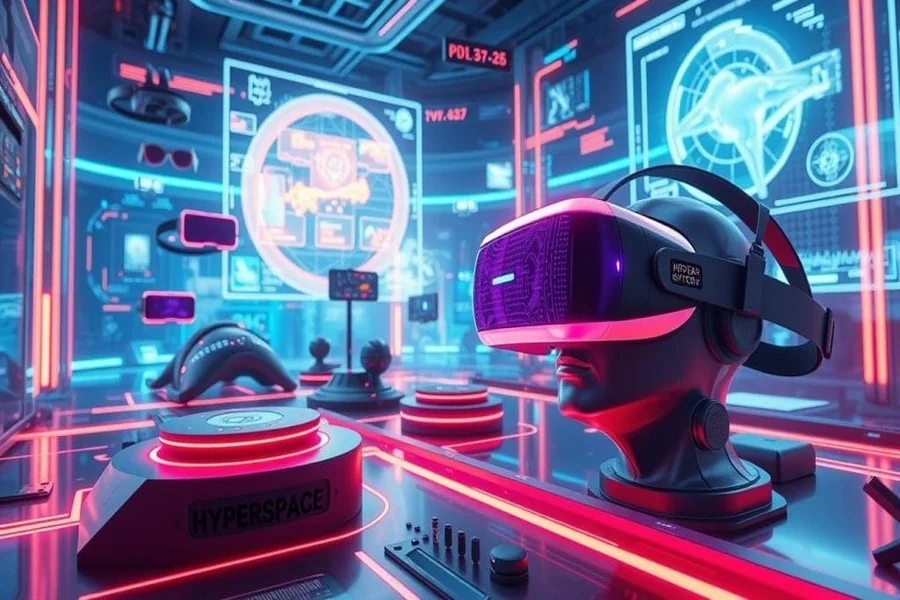
Introduction: The Dawn of a Digital Era
Online Slot Depo 5K is no longer just a pastime—it’s a global movement that has revolutionized entertainment, technology, and social interaction. From the earliest multiplayer experiments to the thriving esports scene and immersive metaverse experiences, gaming has become a powerful cultural force that connects millions of people worldwide. Whether on mobile, PC, or console, online gaming has redefined what it means to play, connect, and compete in the modern digital age.
1. The Humble Beginnings of Online Gaming
The origins of online gaming trace back to the 1970s, when researchers and hobbyists connected computers over local networks to share simple text-based adventures like MUD (Multi-User Dungeon). These early creations laid the foundation for what would later become fully interactive multiplayer worlds. The 1990s brought the internet revolution, with games like Doom, Diablo, and Quake enabling real-time battles across continents—a groundbreaking leap that turned solitary gaming into a shared experience.
2. The Internet Revolution: A Connected Playground
As broadband internet spread in the early 2000s, online gaming evolved from niche communities into global networks. Titles such as Counter-Strike, World of Warcraft, and Runescape became virtual homes for millions of players. This era marked the birth of MMORPGs (Massively Multiplayer Online Role-Playing Games), where entire fantasy worlds thrived with real economies, guilds, and social hierarchies—all powered by the internet’s ability to connect strangers from around the world.
3. The Social Dimension of Online Gaming
Gaming has always been about fun, but online platforms turned it into something deeper—a social experience. Players now communicate through voice chat, messaging, and live streaming, forming friendships, rivalries, and even communities that exist beyond the games themselves. Platforms like Discord have become digital gathering places, where gamers discuss strategies, share memes, or just hang out together.
During the COVID-19 lockdowns, games like Among Us and Animal Crossing: New Horizons became digital meeting spaces for millions, proving that online gaming isn’t just entertainment—it’s connection.
4. Mobile Gaming: The Great Equalizer
The introduction of smartphones changed everything. With billions of people gaining access to affordable internet, mobile gaming opened the door for everyone. Titles such as PUBG Mobile, Free Fire, and Call of Duty: Mobile have built massive player bases that rival PC and console gaming combined.
What makes mobile gaming so powerful is its accessibility—you don’t need expensive hardware to join the fun. A phone, an internet connection, and a little spare time are all you need to enter the global gaming community.
5. The Rise of Esports: When Gaming Became a Profession
Online gaming gave birth to esports, a competitive industry now worth billions. Professional gamers train, strategize, and compete in arenas filled with fans, while millions more watch online. Games like Valorant, Dota 2, and League of Legends dominate the esports landscape, offering massive prize pools and sponsorships from major brands.
What was once “just playing games” has evolved into a respected profession—complete with coaches, analysts, and global tournaments streamed to millions.
6. Streaming and Content Creation: The New Digital Stage
Streaming platforms such as Twitch, YouTube Gaming, and Kick have made gaming a spectator sport. Today’s content creators aren’t just gamers—they’re entertainers, influencers, and entrepreneurs. Streamers like Ninja, Pokimane, and PewDiePie have built empires by sharing their gameplay, commentary, and personalities online.
This has created an entirely new creator economy, where gamers can earn from donations, sponsorships, and ads—turning their passion into full-time careers.
7. Technology: The Engine Behind the Evolution
Behind every great online game is innovation. From powerful graphics engines to artificial intelligence and virtual reality, technology has made gaming more immersive than ever.
- Artificial Intelligence (AI) creates smarter NPCs and adaptive difficulty systems.
- Virtual Reality (VR) and Augmented Reality (AR) transport players into lifelike worlds.
- Cloud Gaming (like NVIDIA GeForce Now and Xbox Cloud Gaming) eliminates the need for expensive hardware, letting users stream high-end games directly to any device.
The result? Seamless, immersive experiences that continue to push the boundaries of what’s possible.
8. The Psychology of Online Gaming
Online Slot Bet 200 isn’t just fun—it’s mentally stimulating. Studies show it can improve coordination, decision-making, teamwork, and cognitive agility. Games challenge players to think strategically, adapt quickly, and collaborate with others—all skills that translate into real life.
However, like any form of entertainment, moderation is essential. Healthy gaming habits ensure players enjoy the benefits—community, challenge, creativity—without burnout or overindulgence.
9. The Economics of Online Gaming
The global gaming industry now surpasses the film and music industries combined, with an estimated worth of over $200 billion. Much of this comes from in-game purchases, subscriptions, and microtransactions. The “free-to-play” model—where players download games for free but pay for upgrades or skins—has proven incredibly profitable.
Moreover, collaborations between game developers and global brands (like Nike, Marvel, and BMW) have blurred the line between entertainment and commerce, making gaming a central hub of pop culture.
10. Building Communities That Transcend Borders
One of the most beautiful aspects of online gaming is its ability to bring people together. Players from different countries, cultures, and languages unite under a shared goal—winning. This universal language of play has fostered friendships and even relationships across borders. From small Discord groups to massive Reddit forums, gaming has become a social fabric that connects millions.
11. The Challenges Ahead
While the industry continues to grow, challenges persist. Issues like toxicity, cheating, addiction, and data privacy remain major concerns. Game developers are investing heavily in AI moderation, anti-cheat systems, and digital well-being tools to create safer and more positive gaming spaces.
Education and awareness among players also play a crucial role in keeping the gaming world respectful, inclusive, and enjoyable for everyone.
12. The Future: Metaverse and Beyond
The next era of online gaming lies in the metaverse—a fully interconnected digital universe where gaming, socializing, and commerce coexist. Players will soon carry their avatars, items, and identities seamlessly across multiple games and platforms.
Play-to-earn models and blockchain integration are also reshaping the industry, allowing gamers to earn cryptocurrency or NFTs for their time and achievements. As technology advances, the line between virtual and real will blur even further.
Conclusion: The Game That Never Ends
Online gaming has transcended generations, platforms, and cultures. It has created careers, friendships, and entire worlds where imagination knows no limits. From humble beginnings in networked laboratories to billion-dollar tournaments watched worldwide, the journey of online gaming is nothing short of revolutionary.
As technology continues to evolve, one thing is certain—the game will never truly end. It will only level up, bringing humanity closer together through the shared joy of play.