

There’s something irresistibly charming about France. Maybe it’s the buttery croissants or the slow pace of life in a Provence village. Maybe it’s the art, the wine, or the thrill of standing in front of the Eiffel Tower for the very first time. But before the dream begins, there’s the planning—and that’s where many travelers feel stuck.
Planning a trip to France doesn’t have to be complicated. With just a little prep and a few smart tips, you’ll be ready to take on this iconic destination like a pro. Let’s dive in.
First, there’s one important update for Americans: starting around November 2023, travelers aged 18 to 70 will need to fill out an ETIAS visa-waiver form before entering France (or any country in the Schengen Area). It’s a quick online form and costs just €7 (about $7.25). The good news? Once approved, it’s valid for three years or until your passport expires.
Now that we’ve got the paperwork out of the way, let’s bust a myth. No, the French are not rude. Sure, there’s a long-standing stereotype, but most visitors find the opposite. A warm smile and a respectful “Bonjour” go a long way. If you’re lost, pointing to a landmark or address is often enough to get helpful directions—even if you don’t speak a word of French.
Contents
- 1 Learn a Few French Phrases
- 2 Dining in France: Delicious, But Know What You’re Ordering
- 3 Take the Train and Travel with Ease
- 4 Go Beyond Paris: Discover Rural and Coastal France
- 5 Expect Afternoon Closures in Small Towns
- 6 Renting a Car? Know the Basics
- 7 Coffee Culture and Local Tricks
- 8 Tipping Etiquette in France
- 9 Ready for France? You’ve Got This
Learn a Few French Phrases
Which brings us to another key point: English is not as widely spoken in France as in some other European countries. The French are proud of their language—and rightly so. It’s beautiful. Learn a few key phrases before you go. Even a basic “Merci” or “Parlez-vous anglais?” can earn you big points with locals.
Dining in France: Delicious, But Know What You’re Ordering
Food lovers, rejoice—but also prepare. French cuisine is glorious, but menus can be confusing. Dishes don’t always translate clearly, and if you have allergies, you’ll want to know exactly what’s on your plate. Spend a little time learning French food terms and how to explain your dietary restrictions. You’ll thank yourself later.
Take the Train and Travel with Ease
One of the easiest and most scenic ways to explore France is by train. The rail system is fast, efficient, and affordable. It’s especially perfect for solo travelers or those without a car. Hop on a train and find yourself in charming places like St. Emilion, Marseille, Roussillon, or Bordeaux. Whether you’re stopping for wine tasting or checking into cozy hotels vad along the way, train travel lets you discover the country at your own pace.
Go Beyond Paris: Discover Rural and Coastal France
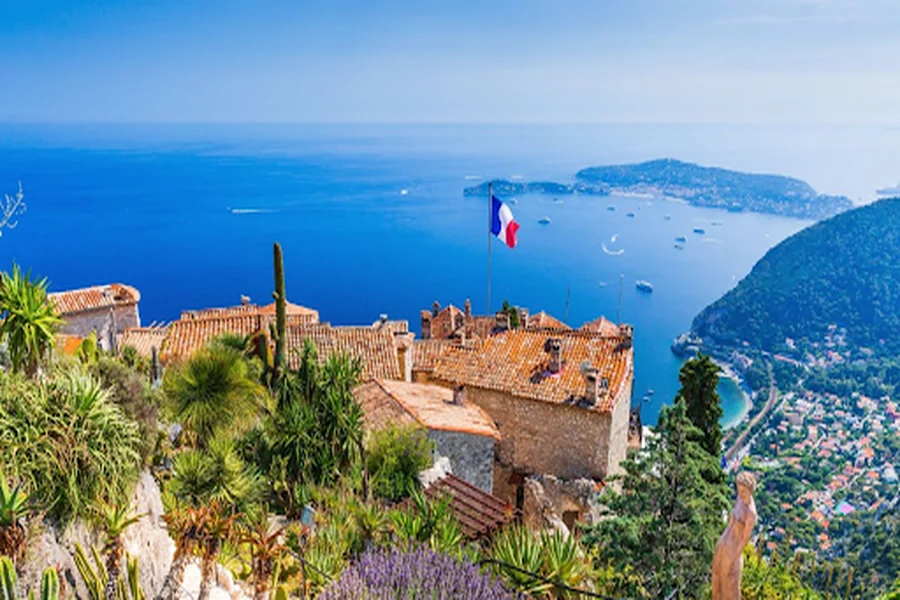
Speaking of Paris, it’s wonderful, but there’s so much more to see. Venture into the countryside. The lavender fields of Provence or the sparkling coastlines of the Côte d’Azur will make your heart sing. These regions offer a more relaxed, local view of French life—and fewer tourist crowds.
Expect Afternoon Closures in Small Towns
But don’t be surprised if you show up at a small-town bakery only to find it closed in the afternoon. Many shops and businesses shut down for lunch, usually from 1 PM to 4 PM. It’s similar to the Italian siesta, and it’s completely normal. Plan your outings accordingly.
Renting a Car? Know the Basics
Thinking of renting a car? Great idea—especially if you want to reach remote villages or coastal routes. Just remember: manual cars are cheaper and more fuel-efficient, but if you’ve never driven stick shift, this may not be the time to learn. There are speed cameras everywhere, and fines aren’t cheap. Also, keep in mind: “essence” means gasoline, and “gasoil” is diesel.

Want to save on attractions? The Paris Museum Pass is your secret weapon. It includes major landmarks such as the Louvre, the Orsay Museum, Sainte-Chapelle, and the Palace of Versailles. Better yet, it helps you skip long lines. If you’re not using the pass, book your tickets online in advance—especially for popular spots like the Eiffel Tower.
Coffee Culture and Local Tricks
Even coffee in France comes with a few tricks. If you sit at a café table and order, you’ll pay more. But if you walk up to the counter and sip your coffee standing like a local, it’s significantly cheaper. Grab a pastry, find a public bench, and enjoy your caffeine in true French style.
Tipping Etiquette in France
Finally, let’s talk about tipping. In France, the service charge is already built into your bill. That said, leaving a little extra is appreciated. At cafés or bars, a 10% tip for good service is appreciated, and for taxi rides, simply round up to a euro or two. Also note: eating “sur place” (on site) often costs more than ordering “à emporter” (takeaway).
Ready for France? You’ve Got This
Planning your first trip to France can be overwhelming. But with these practical tips, you’ll skip the rookie mistakes and head straight to the good stuff—like sipping wine in a medieval village or catching sunset from Montmartre. France is waiting. All that’s left is for you to show up.